Resources
Accessibility and Inclusion Resources by Dr Deborah Lawson
A PDF overview of disability awareness by Dr Lawson
This ‘Disability Awareness’ PDF guide gives an overview of disability. It covers topics including inclusive language and etiquette, unconscious bias, and allyship. If you use a screen reader, please download the ‘Disability Awareness’ Word document version to your device.

A PDF on whether your business is missing out on the Purple Pound?
This ‘Is your business missing out on the Purple Pound’ PDF helps businesses understand the Purple Pound and how to become more accessible. If you use a screen reader, please download the ‘Is your business missing out on the Purple Pound’ Word document version.
A PDF event accessibility guide with a checklist by Dr Lawson
This ‘Event Accessibility Guide, with checklist’ PDF is a comprehensive guide, written by Dr Lawson, on making your events accessible. If you use a screen reader, please download the ‘Event Accessibility Guide, with checklist’ Word document version to your device.
A PDF framework on accessible and inclusive leadership for universities
This ‘Accessible and Inclusive Leadership Framework’ PDF provides a structured approach to help universities strengthen accessibility and inclusion in leadership education, so pathways become truly accessible and inclusive for disabled students and staff.
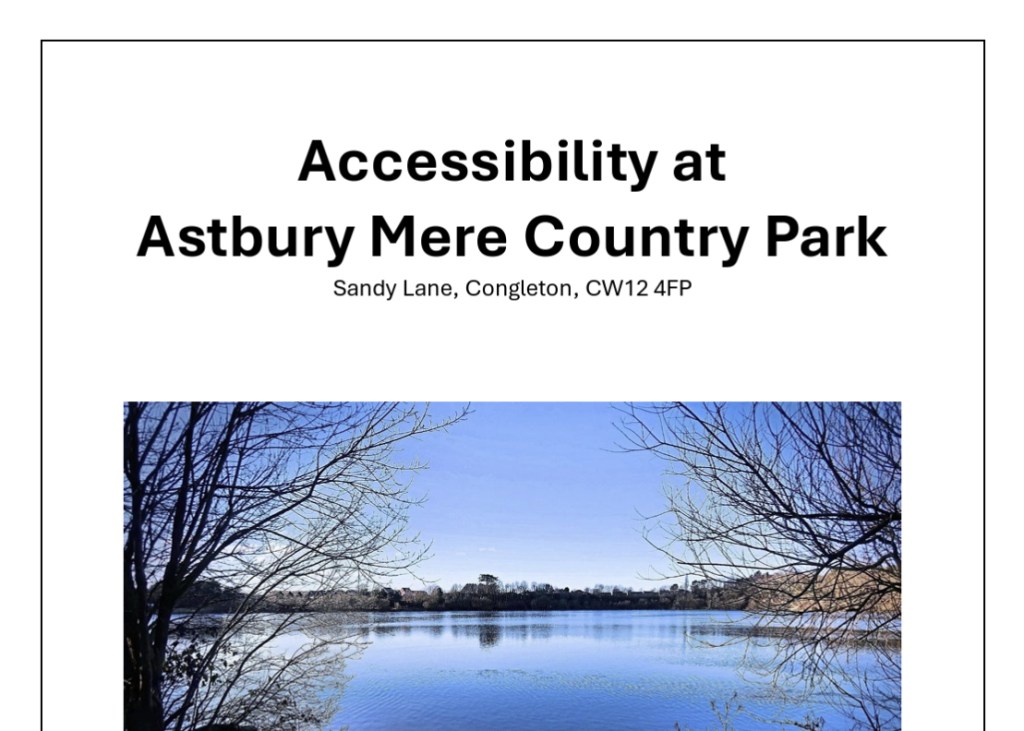
A PDF accessibility guide for Astbury Mere Country Park
This is an ‘Accessibility Guide for Astbury Mere Country Park,’ Sandy Lane, Congleton, Cheshire CW12 4FP, written by Deborah Lawson. It describes how visitors with mobility needs can access the park, along with notes on any challenges to help visitors plan their trip

Interview on simple ideas for making businesses accessible
BBC Radio interview discussing how businesses can get started on accessibility and inclusion, featuring Dr Deborah Lawson, following a case that made national headlines involving a man who was asked to leave a restaurant with his guide dog.
Disability facts and figures in the UK
Amount of disabled people
According to a ‘UK disability statistics report’ by the House of Commons, 16.1 million people, or 24% of the population, have a disability. That is approximately 1 in 4 people.
Poverty
A report by the Joseph Rowntree Foundation on poverty in the UK found that, of all those in poverty, nearly half are disabled or live with someone who is.
Disability Hate Crime
A Government report on Hate Crime for England and Wales in 2024 revealed that in 2023/2024, there were 11,719 reported cases of disability hate crime. A Scope report on people’s attitudes towards disabled people revealed that 4 out of every 5 disabled people have experienced negative attitudes or behaviour in the last 5 years, with 87% claiming this had a negative effect on their daily lives.
Employment
Research by Scope on disabled people in work reports that the employment rate of disabled people is 53%, compared to 82% of non-disabled people. Also, disabled people are almost twice as likely to be unemployed as non-disabled people.
Housing
A 2024 UK Parliament report on disabled people in the housing sector revealed that 1 in 5 disabled people in social housing live in unsuitable accommodation, and that just 7% of homes in England have the most basic accessibility features.
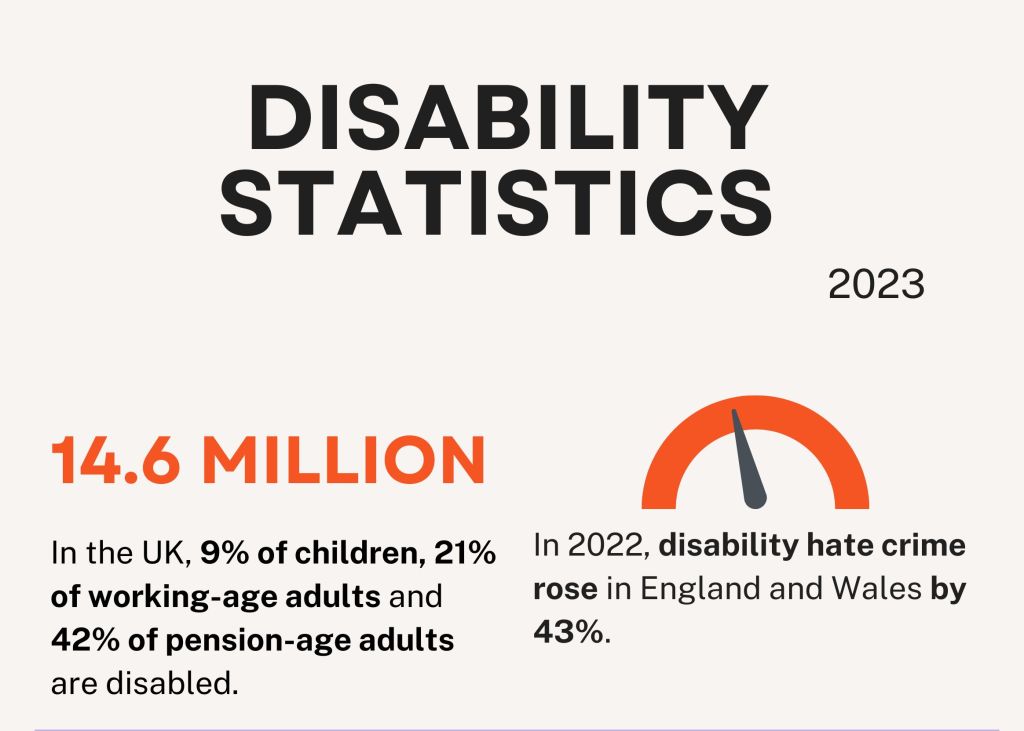
This is an Infographic on disability statistics in the UK for 2023/24. If you use a screen reader, please use this Word document on Disability Statistics; it will download directly to your device.
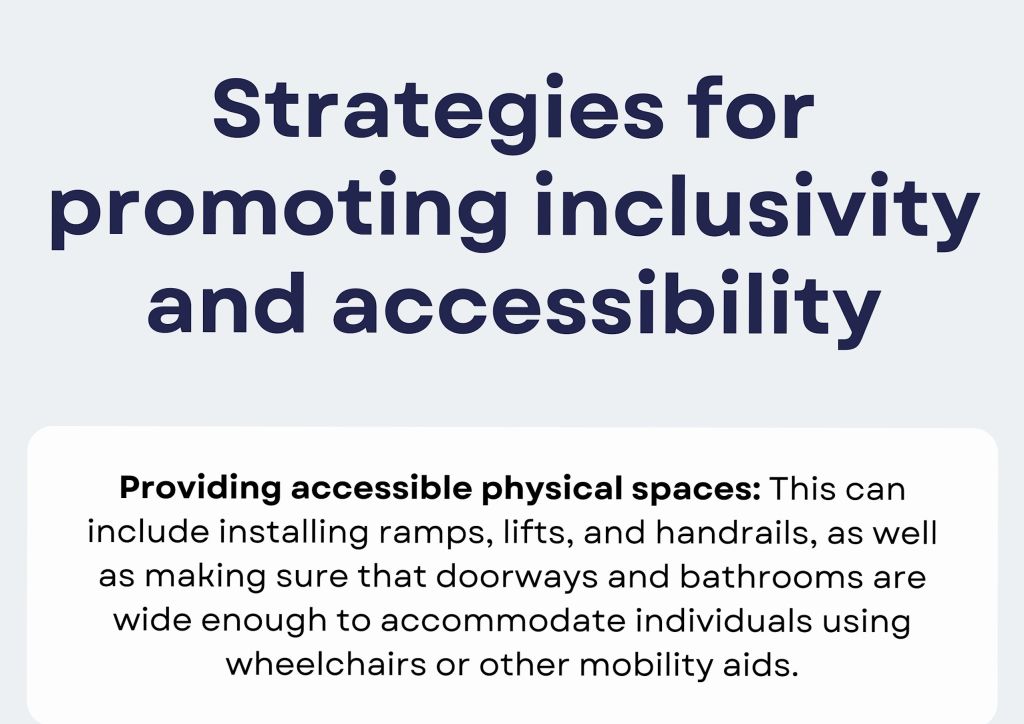
Strategies for promoting inclusivity and accessibility
This infographic promotes inclusivity and accessibility. If you use a screen reader, please use this Word document to promote inclusivity; it will download directly to your device.
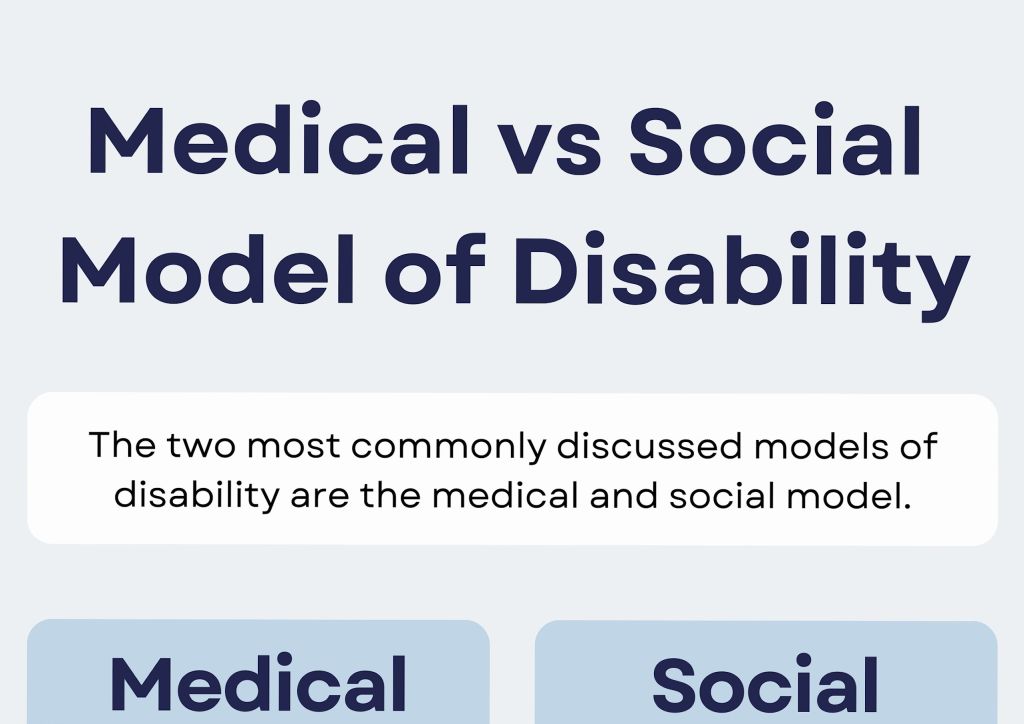
An infographic on the medical and social model of disability
This infographic outlines the medical and social models of disability. If you are using a screen reader, please download this Word document describing the medical and social models of disability.
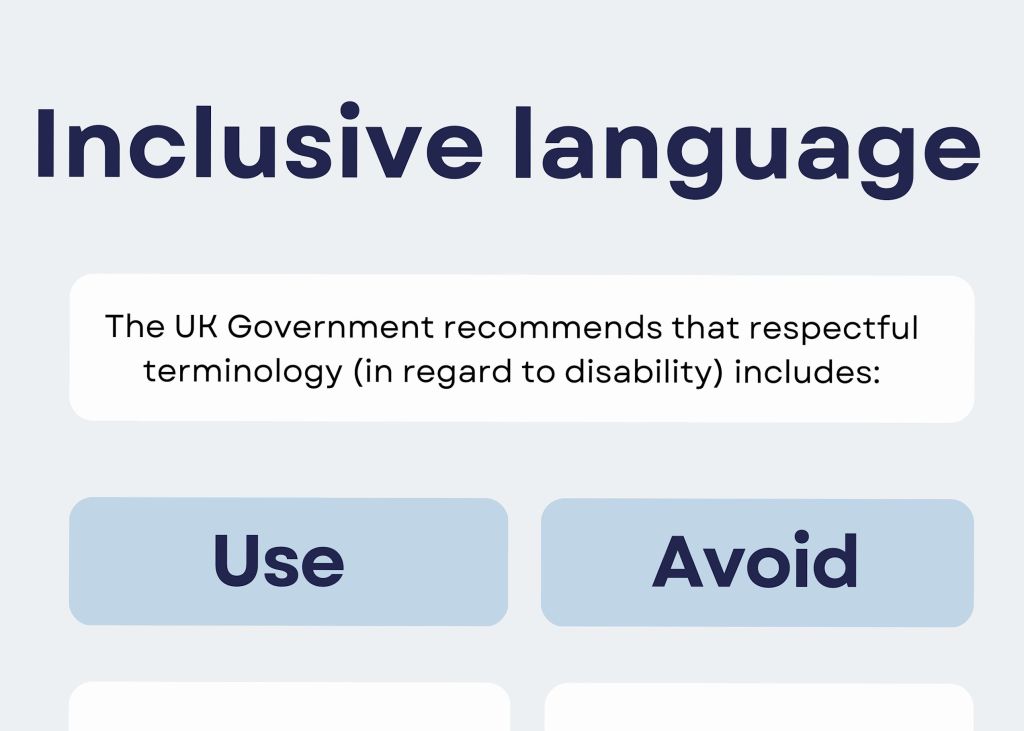
Inclusive language suggestions to use in the UK
This is an infographic on recommended inclusive language for disability, as recommended by the UK government. If you use a screen reader, please use this Word document on inclusive language instead; it will download directly to your device.
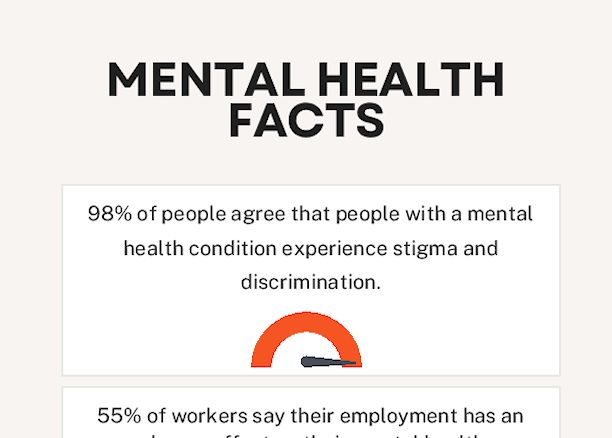
Mental Health Statistics in the United Kingdom
This infographic provides an overview of UK mental health statistics for 2023. Warning: There are two references to suicide. If you use a screen reader, please use this Word document on the 2023 mental health statistics, which will download directly to your device.

An infographic on how to create a respectful environment
This infographic offers a few tips for creating a respectful environment for people with disabilities. If you use a screen reader, please use this Word document about creating a respectful environment; it will download directly to your device.
Scope’s 2025 Disability Price Tag report
“What are the additional
costs experienced by
disabled people?”
On average, in 2025, disabled households require an additional £1,095 per month to maintain the same standard of living as non-disabled households.
As inflation is expected to rise over the next five years, Scope predicts that the extra monthly cost for disabled people will reach £1,224 by 2029 to 2030.
The estimated average shortfall in disabled household income between the benefits individuals receive and actual extra living costs is £630.
For the 2029 to 2030 financial year, this average shortfall is estimated to rise to £704.
On average, the extra cost of disability is now equivalent to 67% of household income.
To read more about this, visit Scope’s ‘2025 Disability Price Tag’ report.
Resources for individuals

A wide range of guidance on disability related topics
This resource from the Equality and Human Rights Commission covers topics such as using a service, workplace adjustments, and disability discrimination. Websites such as Disability Rights UK and Scope’s website also provide guidance on disability-related issues.

Help and advice on benefits, the law, and your rights
The Advice Now website provides guidance on your rights. It also includes information on disability benefits and how to apply. The Citizens Advice website also provides a benefits advice service and guidance on reasonable adjustments.

The Building Regulations for businesses PDF
This is the latest Building Regulations for buildings other than dwellings (PDF, p1247). These regulations are enforceable under the Building Act 1984. For further guidance, please see the BS 8300 series of standards on accessibility design on the British Standards Institution website.

An accessible job board, offering support, training and advice
The Evenbreak website features jobs posted by inclusive employers. The website also provides resources and career support for disabled candidates seeking work. The charity Astriid also focuses on making work more inclusive for people with long-term conditions.

Current disability news in the UK by John Pring
The Disability News Service website, written by John Pring, focuses on discrimination, equality, independent living, benefits, poverty, activism, campaigning, and human rights. It also covers employment, transport, education, housing, crime, arts, culture, and sport.
Free legal support and advice for disabled people
The Disability Law Service website provides free advice through information, training courses, factsheets, telephone support, and written advice. Services include guidance on community care, employment, housing, welfare benefits, and information for individuals with MS.
Aisle dimensions in stores
“What are the minimum aisle width regulations in the UK to accommodate wheelchair users?”
Businesses have a legal obligation to make reasonable adjustments for disabled people.
The British Standards Institution (BSI) states that the minimum aisle width for stores to accommodate wheelchair users and comply with disability accessibility standards is 1400mm (55 inches). This is specified in the ‘BS 8300-2:2018 Design of buildings and their approaches to meet the needs of disabled people. Code of practice.’
The Building Regulations Part M (enforceable under the Building Act 1984) sets out similar requirements for aisle width in office or retail buildings, specifying that a minimum width of 1200mm (47 inches) is required (p31 section 3.14). The width of aisles for wheelchair access also depends on the building type and use. For example, in an assembly or leisure building, an aisle should be at least 1500mm wide, and in a hospital or residential care home, it should be at least 1600mm wide.
It’s important to note that these are the minimum widths required; wider aisles may be necessary to accommodate other mobility aids. The store layout and potential congestion during busy periods must also be considered when determining the appropriate aisle width. Furthermore, aisle width is not the only factor; other elements, such as door width, counter height, and ramp height, should also be considered.
Further resources
Attention Deficit Disorder
The ADHD Foundation offers support groups, training, and resources for individuals. Their guidance includes ADHD, Autism, Dyslexia, DCD, Dyscalculia, OCD and Tourette’s Syndrome. They also raise awareness and advocate for the rights of individuals.
Alzheimer’s
The Alzheimer’s Society supports people with dementia. Their website offers advice, guidance and support and can signpost individuals to local help. They also have an online community, offer factsheets, run dementia programmes, and fund research.
Amputation
The Limbless Association offers services, including emotional support, practical help, and advice on prosthetic limbs and other mobility aids. They also work to raise awareness and offer volunteer visitor peer mentoring for individuals both pre and post-amputation.
Arthritis
Arthritis Action is a UK charity offering an integrated self-management approach to help address the physical and mental health symptoms of living with arthritis. Services include dietary and nutritional advice and access to appointments with practitioners.
Asthma
Asthma and Lung UK offers advice and resources on Asthma, including triggers and how to use inhalers. The charity wants lung health to be prioritised through better understanding, research, treatment, and support and is campaigning to change how lung health is perceived.
Autism
The National Autistic Society provides information, support, and advocacy for people on the autism spectrum and their families. They offer a wide range of resources on autism, including information on diagnosis, support, education, and employment.
Axial Spondyloarthritis
NASS is the only charity in the UK dedicated to transforming axial SpA (AS) care in the UK. The charity provides a forum, resources (for professionals and individuals) and advice on exercise, medication, living with AS and local support.

Bladder Conditions
Bladder Health UK is a national charity that supports people with all forms of cystitis (including interstitial cystitis/bladder pain syndrome), Fowler’s syndrome, overactive bladder, and continence issues. It also provides a magazine and factsheets.
Blindness and vision loss
RNIB is a charity that provides information, advice, and support for blind and partially sighted people. They advocate and campaign to raise awareness and promote accessibility within employment and housing. They also offer advice on assistive technology.
Brittle Bone Disease
The Brittle Bone Society addresses the needs of people born with Osteogenesis Imperfecta (OI). They raise awareness, aim to advance the knowledge of OI, fundraise to provide services and equipment, provide resources on Osteogenesis Imperfecta, and host events.

Cancer
Cancer Research UK is a charity dedicated to improving the lives of people affected by cancer. They offer advice from nurses, fund research, raise awareness and provide information, support, and resources to people diagnosed with cancer and their families.
Cerebral Palsy
Cerebral Palsy (CP) helps people living with cerebral palsy in the United Kingdom. The charity provides information, support and resources to people affected by cerebral palsy, as well as their families and carers. They also raise awareness and fund research.
Chronic Illness
Chronic Illness Inclusion is a voice for disabled people with energy-limiting chronic illness, energy impairment, and chronic pain. Their mission is to create a world in which experiences of disability are heard, believed, and understood, and all lives have equal value.

CRPS
Burning Nights CRPS Support is a national UK charity working to improve life for those affected by Complex Regional Pain Syndrome. They campaign and aim to educate, raise awareness and support those with CRPS. They also have an online support group.
COPD
The Asthma and Lung UK website has information about COPD, including the diagnosis, treatment, management, and flare-ups. It also provides information on a COPD passport, statistics, and has a helpline for information, advice, and support.
Crohn’s and Colitis
Crohn’s and Colitis UK provides information and resources about living with inflammatory bowel disease (IBD). They advocate and run awareness campaigns to improve understanding and care for people with IBD and offer support for people affected by the conditions.
Cystic Fibrosis
Cystic Fibrosis Trust offers information and resources about cystic fibrosis, including symptoms, treatments, diagnosis, and living with the condition. They offer support and advice for people affected by cystic fibrosis, including a helpline and online community.
Deafness and Hearing Loss
The RAD provide information on various assistive technology products, software, and apps. Additionally, RAD offers support services, advice, training, and events for deaf adults, including interpreting and translation services. They also have a wide range of support services.
Dementia
Dementia UK offers guidance for individuals with dementia and their carers, families, and friends. They provide information on the different types of dementia, the symptoms and causes, and tips and advice on how to live well with dementia.

Diabetes
The Diabetes UK website offers information and resources for individuals with diabetes, including information on the different types of diabetes, symptoms and causes, diabetes management, research and advocacy, news and events, and support.
Dyslexia
The British Dyslexia Association (BDA) aims to promote understanding by influencing the government and other institutions to promote a dyslexia-friendly society that enables dyslexic people of all ages to reach their full potential. They also raise awareness.
Dyspraxia
The Dyspraxia Foundation aims to raise awareness and support individuals diagnosed with dyspraxia. They promote better diagnostic and treatment facilities and help professionals in health and education to assist individuals with Dyspraxia.

Dystonia
Dystonia UK provides information on the different types of dystonia, including symptoms, causes, and treatment options. It also offers practical advice, tips on managing the condition, and information on support services and local support groups.

Eczema
The National Eczema Society website in the UK offers information and resources for individuals with eczema, including tips for managing eczema symptoms and managing flare-ups. They offer advice on skincare, diet and nutrition, and provide support.

Ehlers-Danlos
Ehlers-Danlos Support UK offers resources and support for individuals with Ehlers-Danlos syndrome (EDS). They provide guidance on the different types of EDS and HSD and information on support services. The website also includes a section for professionals.

Endometriosis
Endometriosis UK offers a range of resources and support for individuals with endometriosis. It includes symptoms, causes, and treatment options. Also, practical advice, tips on managing the condition, and information on support services.

Epilepsy
Epilepsy Action provides information on epilepsy, including symptoms, diagnosis, treatment options, and seizures. It offers practical advice and tips on managing the condition, coping strategies, and information on support services, such as a helpline.
Fibromyalgia
UK Fibromyalgia has podcasts, a magazine, a doctor’s guide, support groups and material on overlapping illnesses, treatments, complementary therapies and mistaken conditions. To read information on ME/CFS, please visit the ME Association.

Heart and Circulatory Diseases
The British Heart Foundation website provides guidance on heart and circulatory diseases and the things that cause them. They have a support helpline, offer a magazine and fund research. They also advise on tests, treatments, and tips for eating healthily on a budget.
Huntington’s Disease
The Huntington’s Disease Association aims to improve the care and support services for people with Huntington’s disease, educate families and professionals, and champion people’s rights. They offer an advisory service, a helpline and training for professionals.
Hypermobility Syndrome
The Hypermobility Syndrome Association offers a helpline, support via email, Facebook groups, residential conferences, workshops, local support groups, and educational support. They also provide validation, education, and self-management tools.
Irritable Bowel Syndrome
The IBS Network is a national charity supporting people with irritable bowel syndrome. Their mission is to provide information and advice, provide support groups and work alongside healthcare professionals to facilitate self-management.
Lipoedema
Lipoedema UK provides information on diagnosis, treatments, surgery, and liposuction. Their focus is to educate doctors, health professionals and the public about Lipoedema and its symptoms so it may be diagnosed and treated earlier.
Lupus
The LUPUS UK website offers guidance on diagnosis, triggers, and management. They offer a magazine, region groups, and advice on managing symptoms such as fatigue. They also have guidance on diet and exercise, benefits, and prescription charges.
Lymphoedema
The Lymphoedema Support Network raises awareness and provides information and guidance on lymphoedema, which is also used by doctors in hospitals. The website has articles and factsheets, self-management videos and support groups.

Marfan’s Syndrome
The Marfan Trust is the only Marfan charity in the UK. They undertake medical research into Marfan syndrome, support those with the condition and raise awareness. They have a helpline providing access to specialised medical and surgical care knowledge.
Mental Health
Mind provides information and advice on mental health. It has legal advice, an A to Z of mental health, helplines, and details of local support. It also supports young people. The website Anxiety UK assists people with anxiety, stress, anxiety-based depression, or phobias.
Migraine
The Migraine Trust provides evidence-based information and support on all aspects of migraine, including types of migraine, triggers, access to appropriate healthcare, treatments, your rights in employment and education, and managing and living with migraine.

Multiple Sclerosis
The MS Society funds world-leading research, shares the latest information about Multiple Sclerosis and campaigns for everyone’s rights. They provide information about MS, the different types, diagnosis, signs and symptoms, treatments, and therapies. Also, it has an online community and local support.

Muscular Dystrophy
Muscular Dystrophy UK provides information and guidance on various areas, including health and care, advice about adaptations and equipment, education, holidays, driving, exercise, and work. They do research and offer a helpline, online community, and details of local support groups.
Neurological Conditions
The Brain Charity UK offers guidance on over 600 neurological conditions, including Bell’s Palsy, Brain Injury, Functional Neurological Disorder, Cushing’s syndrome, Essential Tremor, Guillain-Barré Syndrome, Lyme Disease, Myasthenia Gravis, Motor Neurone Disease, and Spina Bifida.
Neuropathy
The Foundation for Peripheral Neuropathy has many resources on its website and offers advice on neuropathy, including causes, symptoms, treatments and related conditions. They educate others in peripheral neuropathy, raise awareness, and promote research.

Paget’s Disease
The Paget’s Association provides advice about how to manage Paget’s. They have a helpline, virtual and local support groups, videos, booklets, and literature. The Association promotes research, supports health professionals, and holds professional conferences and events.

Pain (chronic)
The Pain Concern website produces information on pain using a variety of media platforms. It provides support to people with pain and those who care for them. It also raises awareness about pain and campaigns to improve the provision of pain management services.
Pancreatitis
The Pancreatitis Supporters Network is a charity that provides advice on managing pancreatitis. It educates both the public and the medical profession about pancreatitis. They offer support, information and counselling and also provide guidance on where to seek the best treatment.

Parkinson’s
Parkinson’s UK offers advice on living with Parkinson’s, the different types, what causes it, symptoms, treatments, and therapies, and helps people find local groups, support and social activities. It also partakes in research, assists professionals, and has a forum, helpline and magazine.
Pelvic Pain
The Pelvic Pain Support Network provides support and advice for bladder, bowel and gynaecological conditions, including adenomyosis, adhesions, fibroids, painful bladder and pelvic pain of gastrointestinal origin. It covers topics such as diagnosis, treatment options, pain management and research.

Polio
The Polio Survivors Network aims to represent and support polio survivors and their families. It also promotes understanding of the experiences of those living with the long-term effects of polio and post-polio syndrome and promote better research of treatments, therapies, and equipment.
Psoriasis
The Psoriasis Association provides information, advice, and support to those affected by psoriasis. They run a helpline service for people who need information, advice and help and have a comprehensive range of information materials available, including printed literature.
Rare Diseases
The Rare Disease UK and the Genetic Alliance UK website support and advise people with rare diseases, those who support them, and those affected by genetic conditions. They provide guidance on diagnosis, coordination of care, patient experience and empowerment, and they promote research.
Restricted Growth
The Restricted Growth Association endeavours to provide support and information to people with genetic growth conditions. They offer resources, and raise awareness to provide a more comprehensive understanding of restricted growth.
Samaritans
The Samaritans is a charity available 24 hours a day, 365 days a year, for anyone struggling to cope and needing someone to listen without judgement or pressure. They also give people ways to manage and the skills to be there for others. Call 116 123 for free.

Sarcoidosis
Sarcoidosis UK aims to provide accurate and detailed information to people with sarcoidosis, their carers, and medical professionals. They also offer emotional support for people with sarcoidosis by telephone, email, social media, and support groups.

Scleroderma and Raynaud’s
Scleroderma and Raynaud’s UK provides information on both conditions, including diagnosis, symptoms, causes, self-management, and guidance about testing. They promote awareness and have an online community, a helpline and support groups.
Shingles
The Shingles Support Society offers information about shingles, postherpetic neuralgia (PHN) and the shingles vaccine. They provide information on the signs and symptoms of Shingles, how someone can get it, treatment, and self-management advice.

Sickle Cell Disorder
The Sickle Cell Society aims to raise awareness and offer advice, along with statistics, including the prevalence of Sickle Cell Disorder. They also have a helpline, offer information about blood donation, and provide details about clinical trials.
Speech and Communication
Afasic has information and videos about Speech, Language and Communication Needs. They offer a helpline, which helps parents understand their child’s difficulties, what help they need and how to get it. They also provide speech and language development milestones.
Spinal Injuries
The Spinal Injuries Association has advice on bladder and bowel management, isolation, self-image, relationships, employment, funding your care and transport. There is also training for healthcare professionals, online learning, and a magazine.
Stroke
The Stroke Association raises awareness, including the different types of strokes, the symptoms, risks, and diagnosis. It also provides information on the effects of a stroke, including fatigue, aphasia, and communication. There is also a helpline and support groups.

Tourettes
Tourette’s Action provides a wide range of services, such as support groups, training, and resources. They also work to raise awareness about Tourette’s Syndrome, advocate for the rights of individuals, conduct research and provide education and support.
Trigeminal Neuralgia
The Trigeminal Neuralgia Association UK offers information on the condition, signs and symptoms, medication, surgery, complementary therapies, a dental guide, hints and tips, and emergency care. They also have a helpline and regional support groups.

Hidden Disabilities
The Hidden Disability Sunflower has been adopted globally by organisations to support their colleagues and customers from retail and transport to education. The website provides information on sunflower-friendly places, and accessible events.

Contact – for families with disabled children
The Contact website is a resource for families with disabled children. They provide information on various conditions, offer information and advice, workshops and events and partake in campaigns and research. They also support professionals and offer courses.
Family Fund – grant for disabled children
Family Fund grants are available for families on a low income, raising a child or young person aged 17 or under with a long-term disability, disabling condition or life-limiting illness. Grants depend on available funding. They offer grants for family breaks to computers.

Disability Grants for Disabled Children and Adults
The website Disability Grants provides details on where to go for a disability-related grant and how long it may take to apply. It details grants for education, equipment, employment, and housing adaptations and also includes a directory of disability groups.
By accessing the links, PDFs, and documents on this page, you acknowledge that this website takes no responsibility for the content of the links, PDFs, and documents or any damage to your equipment that may occur as a result of accessing them.
 Dr Deborah Lawson